
Robotics in the food warehouse is about much more than fast picking. Discover two real-world examples of how our technologies handle various items and support picking.
Robotics in the Food Warehouse - Precision Picking and Powerful Processes
Packaged sausage, a can of tomatoes and a bag of chips must all be picked properly for the right order. However, every item has different requirements for handling. Packaging, surfaces, weight and sensitivity must all be considered for robotic handling – which is exactly where we see what robotics can do in the food warehouse and understand that speed alone is not enough. What really matters is correct identification, reliable gripping and correct placement of a variety of products. Thankfully, artificial intelligence and vision technology can optimize all these steps in the process. Piece-picking robots use both technologies for fully automatic order processing around the clock (24/7). This supports food retailers in order fulfillment and frees employees from repetitive tasks – especially valuable where there is a shortage of skilled labor, since employees are then free to handle other tasks.
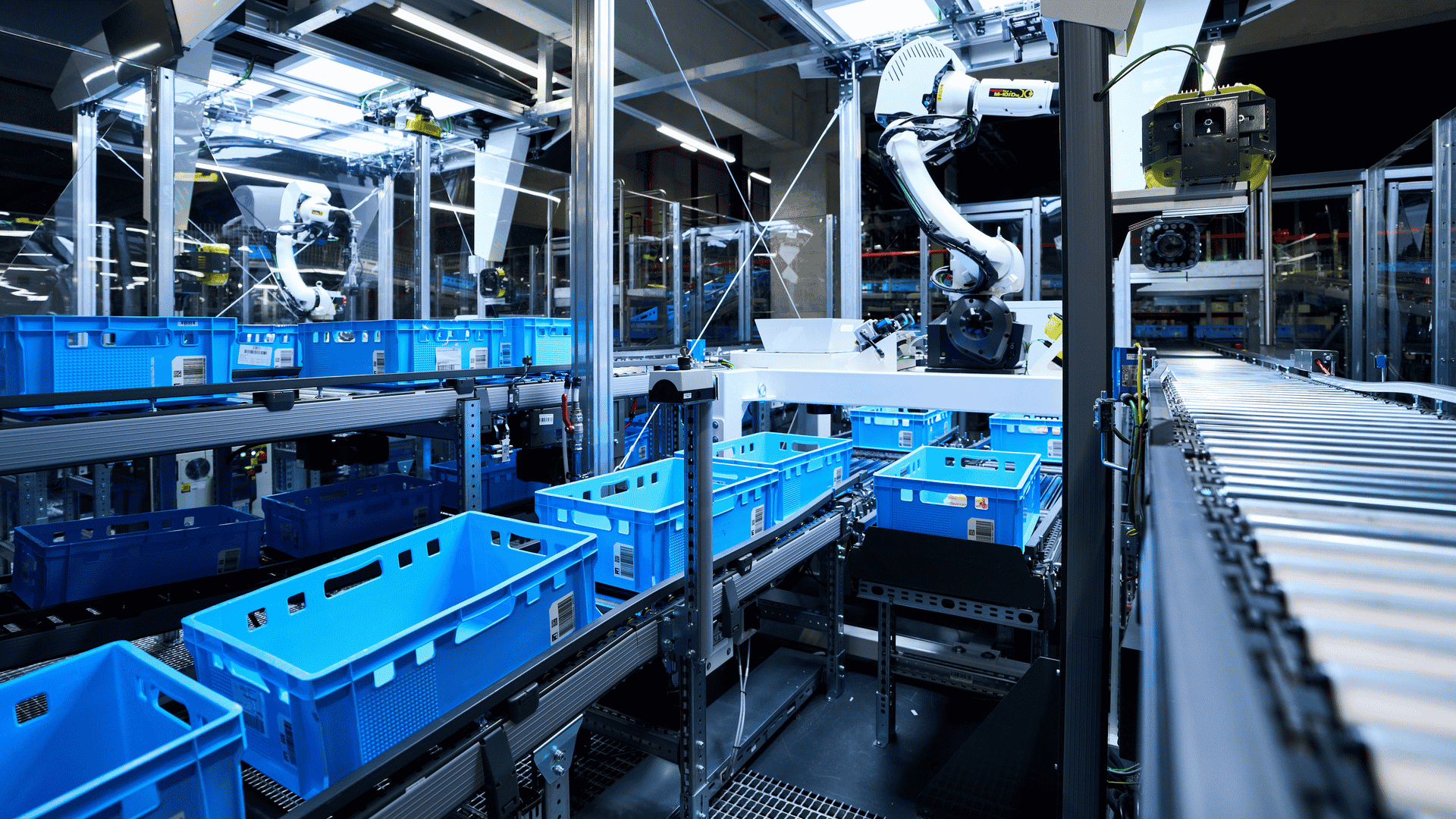
The robots furthermore make a significant contribution to improving the resiliency of the supply chain. How does this work for sensitive meat products? How are products placed automatically into paper bags? How are robots advantageous when it comes to handling a mixed assortment? Two real-world examples from fresh food logistics and online food retail demonstrate how. They show how appropriate handling of items, ergonomic relief for employees and plannable processes all work together to make precision picking and a more reliable supply chain possible.
How can automated picking succeed with a wide variety of items?
Food logistics involves handling a wide variety of product classes while meeting high standards for quality. Flexible bags, sturdy cartons and sensitive fresh products demand grip strategies that work. The packing sequence is also very important: A stable box of rice should be placed in the target container before a bag of fragile potato chips. In addition to piece picking, robots can also handle larger units such as containers and full cases. Automated full-case picking with robotic systems includes the picking and palletizing of large containers or pack units for store delivery on pallets or roll containers. While e-commerce is primarily about single-item picking, store delivery requires robot solutions for larger pack units. Both approaches ensure that processes and handling are suited to the goods and fit seamlessly into an overall logistics system.
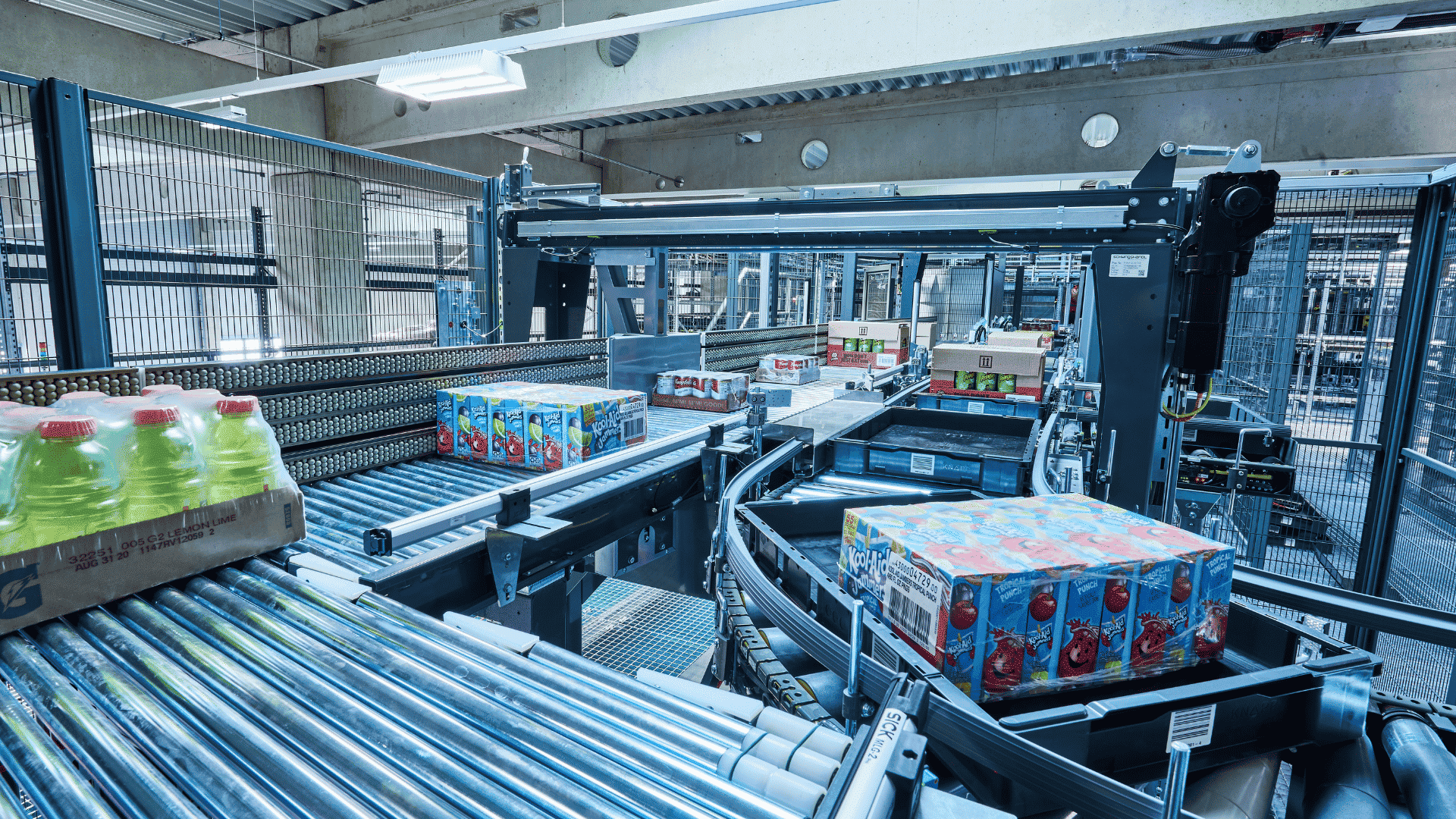
AI in logistics – from identification to reliable placement
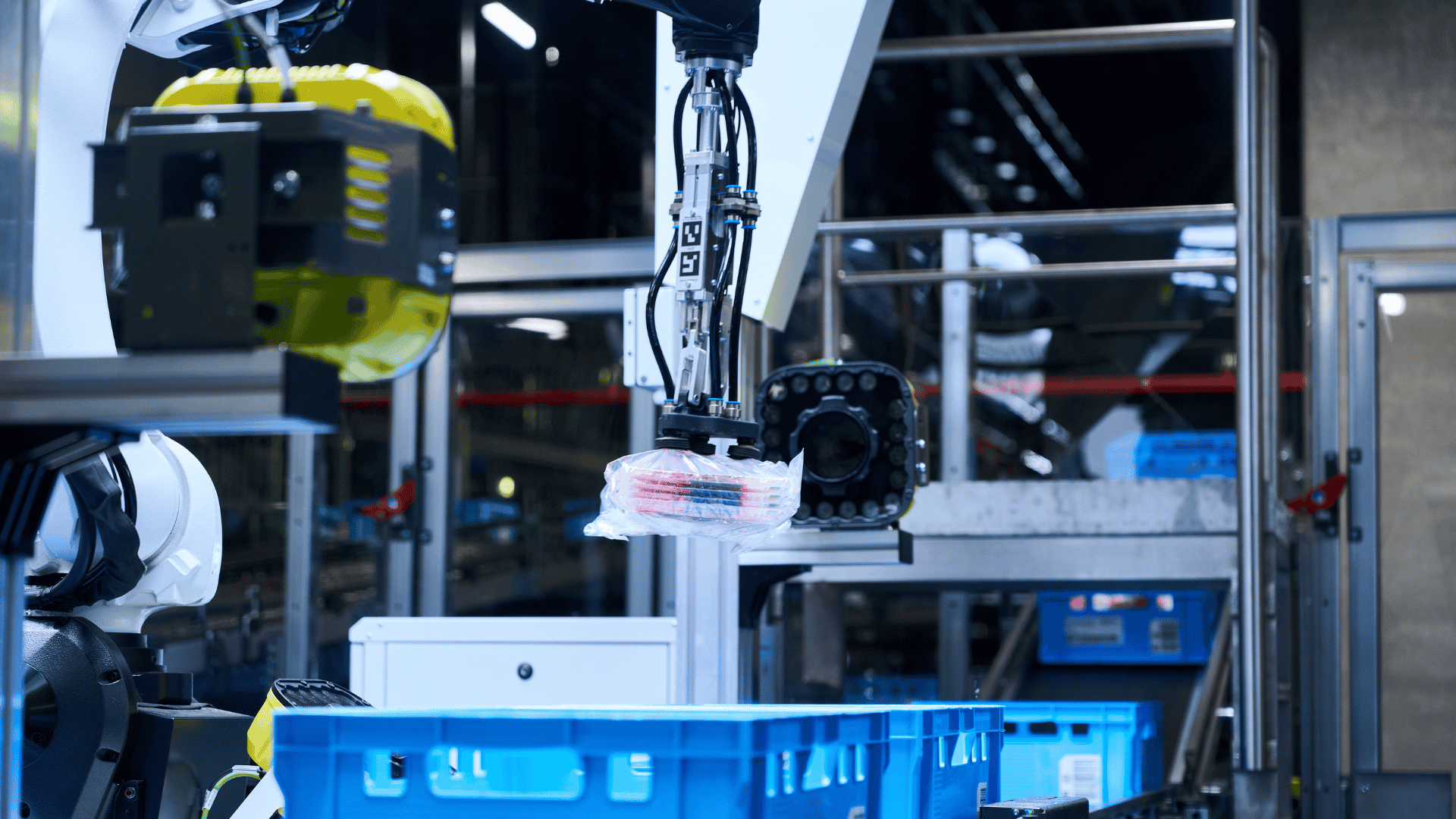
Here, vision technology, artificial intelligence and the right gripper technology work together to analyze items and determine the right grip points. With handling adjusted to the item properties, the robot carefully places delicate items in the order container or paper bag. More robust items can be dropped from a pre-calculated release point. This is how the solution combines efficient movements with appropriate goods handling. Learn more about the technology behind the Pick-it-Easy Robot.
Pre-trained AI makes the robot work more effectively from the start. Additionally, experience gained in other applications is used to continuously improve object recognition and gripping strategies. AI supports the handling of new articles and different packaging. The supply of goods, software and downstream processes interact to coordinate processes from the source container to the finished order.
Smart software – the key to optimizing processes
The software ensures optimized processes, systematic handling and outstanding performance. For efficient processes in an automated warehouse environment, high-quality master data is foundational. Using this data, the technologies can handle and process items and other units properly. When all the attributes are centrally recorded, the robot has all the information it needs to correctly handle the item.
However, improved handling is not the end of the process. The next step involves calculating the best possible packing pattern – in other words, figuring out how the items or units can be placed in the bag or on the load carrier efficiently and space-effectively. To do so, the software plays its own version of Tetris beginning at the order start, making use of the underlying master data. The software uses this data to calculate the ideal location to form a stable packing pattern and, for store deliveries, to adapt the pattern for organized unpacking at the store.
Discover more: KiSoft Pack Master for Logistics Warehouses – KNAPP
The following cases show how this can be implemented in food retail.
Automated picking at EDEKA: Reliably handling fresh foods
Located in Lüttow-Valluhn, Germany, the EDEKA NORDfrische Center supplies around 650 stores with around 2,500 different meats, cold cuts and sausages every day. At a constant +2 °C (35 °F), the entire distribution center processes up to 40,000 containers per day. Two Pick-it-Easy Robots are part of the overall system and carry out piece picking fully automatically, each picking up to 450 items per hour. Different weights and packaging types require a high degree of sophistication and sensitive products must be handled reliably.
We are able to pick a wide variety of items efficiently with the Pick-it-Easy Robot despite our varied item range. At the same time, we can ensure 24/7 picking if necessary and take the strain off our employees.

Along with picking, the robot scans product barcodes and records their weights. This eliminates additional manual steps such as a separate weighing procedure and also reduces potential sources of error from multiple handling steps. The integrated recording of the data supports traceability and, if needed, the solution can pick 24/7. This feature is especially helpful in handling fluctuating order volumes, and also means staff aren’t tied up doing repetitive manual labor. The interaction with the existing system is an important feature of the solution. Discover the application in detail at EDEKA NORDfrische.
Hardfacts
Pick-it-Easy Robots integrated
containers per day
items in the product range
m² total system size (86,111 ft²)
°C Ambient temperature (36 °F)
stores supplied daily
Automated picking at Woolworths: It’s in the bag
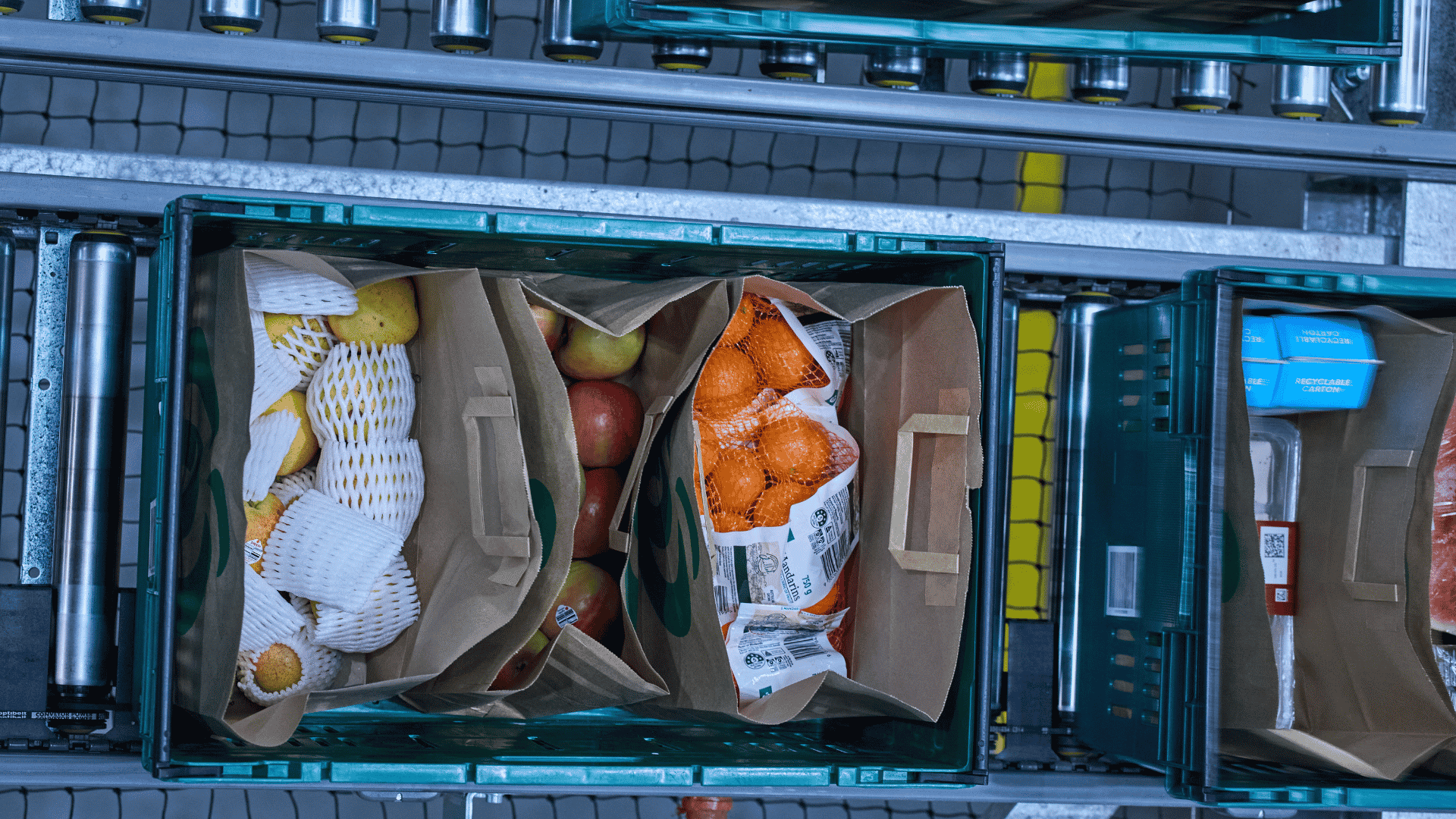
At Woolworths’ fulfillment center in Auburn, Australia, single item picking meets automated bag handling. The system puts the paper bags in the order container and opens them. Then the robot picks the items directly into the bags.
The technology handles food and non-food items such as cans, cookies, pudding, toothpaste in cartons and sunscreen in tubes. Two Pick-it-Easy Robots were added to the overall system at the site. Employees also work at ergonomically designed picking stations. The solution demonstrates how not just robotic picking, but also automated solutions and manual processes are harmoniously coordinated with each other, with the robots handling a defined segment of the order processing. Discover more about Woolworths’ fulfillment center in Auburn.
Four benefits of using robotics in food retail logistics
Correct handling
Supply Chain Resilience
Flexible availability
Combats labor shortages and improves ergonomics
The two picking methods are used for different product ranges, target containers and handling requirements. All in all, they demonstrate the benefits of the coordinated use of automation. At EDEKA, additional data capture is added, while Woolworths combines picking and paper bag handling. Predictable capacities and fewer manual interactions support the reliable processing of orders, even when staff bottlenecks or demand fluctuations occur. The prerequisite is the coordinated interaction of robots, item provision, software and downstream processes.
FAQs
What are the advantages of robotics in the food warehouse?
Robotics takes over recurring tasks, relieves employees, and enables order processing around the clock when needed.
How does AI support automated picking?
AI analyzes camera images and helps robots recognize different items, grab them securely, and store them appropriately.
Can robots also pick sensitive fresh items?
Yes, with suitable grippers and coordinated processes, robots can handle sensitive fresh items gently, such as packaged meat and sausage items at EDEKA.
What role do software and item master data play?
The software uses item data such as size and weight so that robots can handle goods appropriately and store them stably and space-savingly.
Can robots pick items directly into paper bags?
Yes, at Woolworths in Auburn, Pick-it-Easy Robots place suitable items directly into paper bags, which the system automatically opens beforehand.
What are the next steps with robotics for your food warehouse?
Robots in the food warehouse must be able to handle a wide variety of items and to integrate easily into existing processes. The real-world examples demonstrate that there are different ways to achieve this. Vision technologies and AI help determine the right grip point on the product as well as the right place to put it down. Additional steps in data acquisition and automated paper bag handling expand the benefits of the respective applications, resulting in solutions that reduce manual tasks and ease the work of the employee. Keeping the overall process in view is important – from the items supplied to the completed order. This is exactly where a robotics solution tailored to the requirements comes in.
Do you want to automate your picking and handle different product ranges with reliable technology? Contact our robotics experts and discuss your requirements with us.

You are currently viewing placeholder content from Google Preferred Sources. To access the actual content, click the button below. Please note that this will result in data being shared with third parties.
More InformationFurther reading recommendations

Additional Information
Are you interested in automated robotics solutions in the food retail sector? Here you'll find more exciting examples from the world of food retail.