Integrating AMRs means more than just selecting the right vehicle. Successful projects take processes, infrastructure, IT systems and future scalability into account from the very beginning. Making sure these factors are all aligned is the only way to automate goods flows efficiently and sustainably. This guide will show you what requirements must be met to successfully integrate AMRs and what companies need to pay attention to during planning and implementation.
You are currently viewing placeholder content from Google Preferred Sources. To access the actual content, click the button below. Please note that this will result in data being shared with third parties.
More InformationKey Takeaways
How to integrate AMRs: From planning to scaling
A growing range of products, skilled labor shortages, higher delivery requirements, increasing cost pressure and stiff competition mean that production logistics is being confronted with new challenges. All the while, companies need to be able to adapt their material flows to changing conditions in manufacturing. That’s why autonomous mobile robots (AMRs) have become a cornerstone of modern intralogistics processes. They perform internal transports, supply material to production lines and connect the warehouse with manufacturing and shipping. However, introducing AMRs is much more than just buying another vehicle. Successful companies view autonomous mobile robots as part of an integrated material flow and incorporate processes, software, infrastructure and employees into their planning from day one.
What can companies expect from autonomous mobile robots?
Autonomous mobile robots can make a significant contribution to automating material flows. Their main benefit lies in their ability to complete transports reliably, transparently and according to need. When used properly, AMRs stabilize processes, improve production supply and offer greater flexibility when requirements change.
Typical goals of companies introducing AMRs
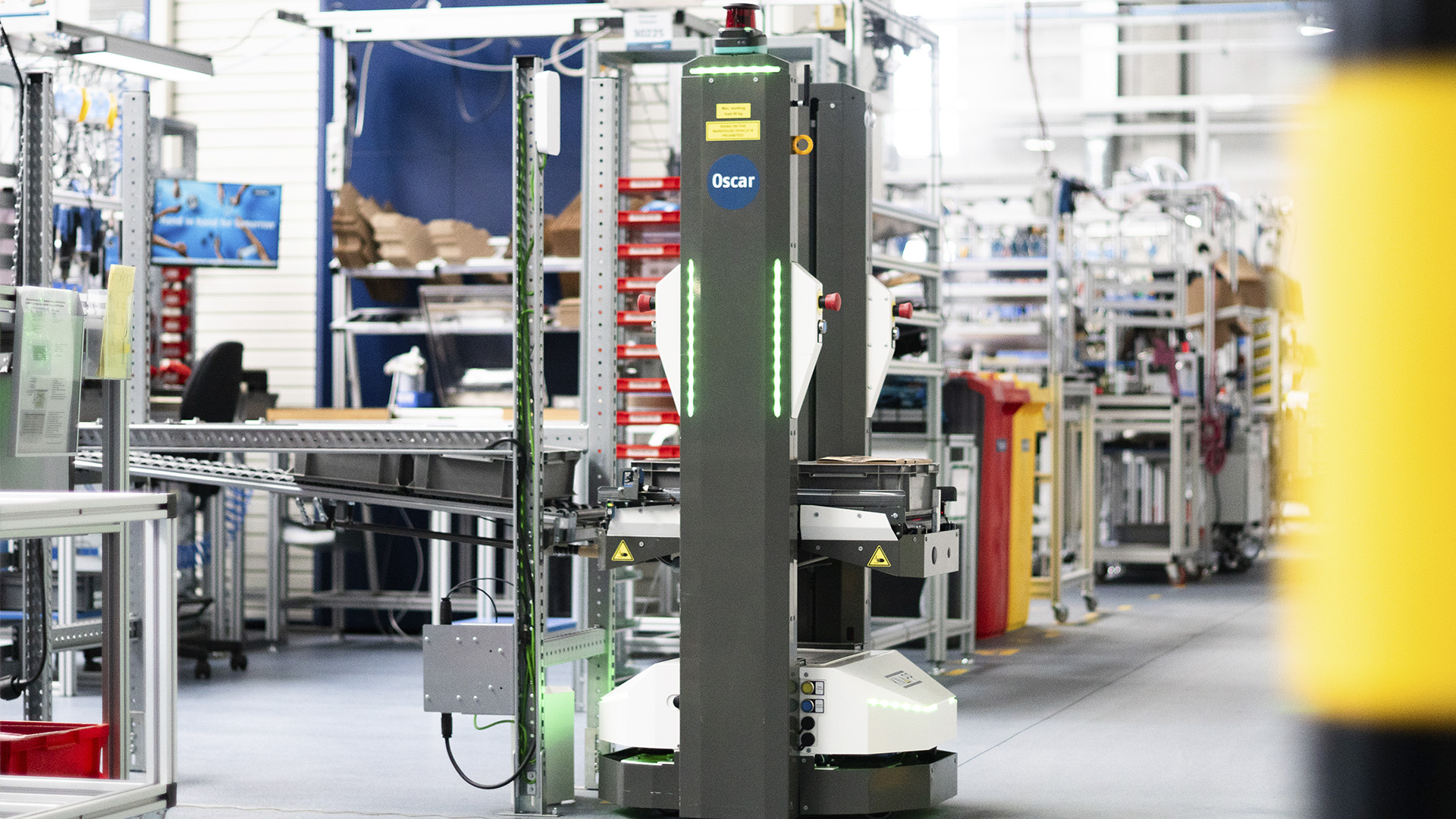
SCHUNK wanted to speed up their connection between logistics and assembly, reduce lead times and provide relief for employees. Our Open Shuttle was just the solution the company was looking for.
To learn more, read our blog post: Mobile Robot Optimizes Transport at Schunk
Common misconceptions
Requirements for successful AMR integration
Autonomous mobile robots reach their full potential when processes, infrastructure and IT systems are properly prepared for automation. Before implementing such a system, make sure that the necessary prerequisites for the material flow, environment and system landscape (if integrating) are met.
Analyze processes and identify appropriate use cases:
First, take a look at your current goods flows. Standardized, recurring transport tasks with clear start and target locations are ideal candidates for automating with AMRs. Typical use cases include:
- Supplying production lines
- Internal goods transport
- Goods-in and goods-out processes, to and from the loading gate
- Manufacturing replenishment processes
- Connecting kitting processes, separate special work stations such as quality control stations, or supplying kanban racks
The more clearly structured a process is, the easier it is to automate.
We have different Open Shuttle solutions for all these use cases:
- Open Shuttle 100 and Open Shuttle 50: Transport containers automatically
- Open Shuttle Fork: Transport pallets automatically in production and warehouse areas
- Open Shuttle ASG: Transport magazines automatically
Questions to ask during analysis:
Evaluate the infrastructure and layout
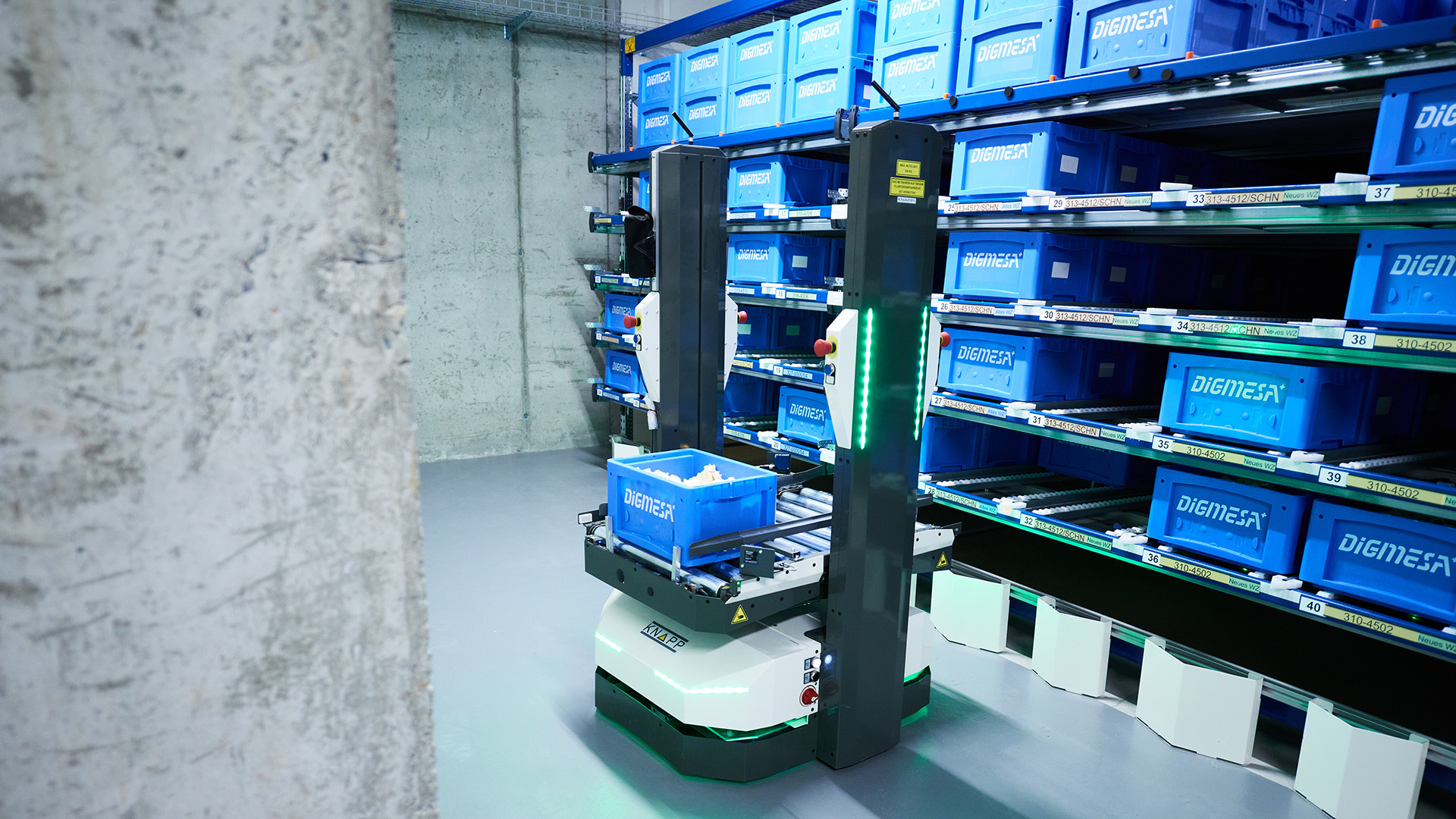
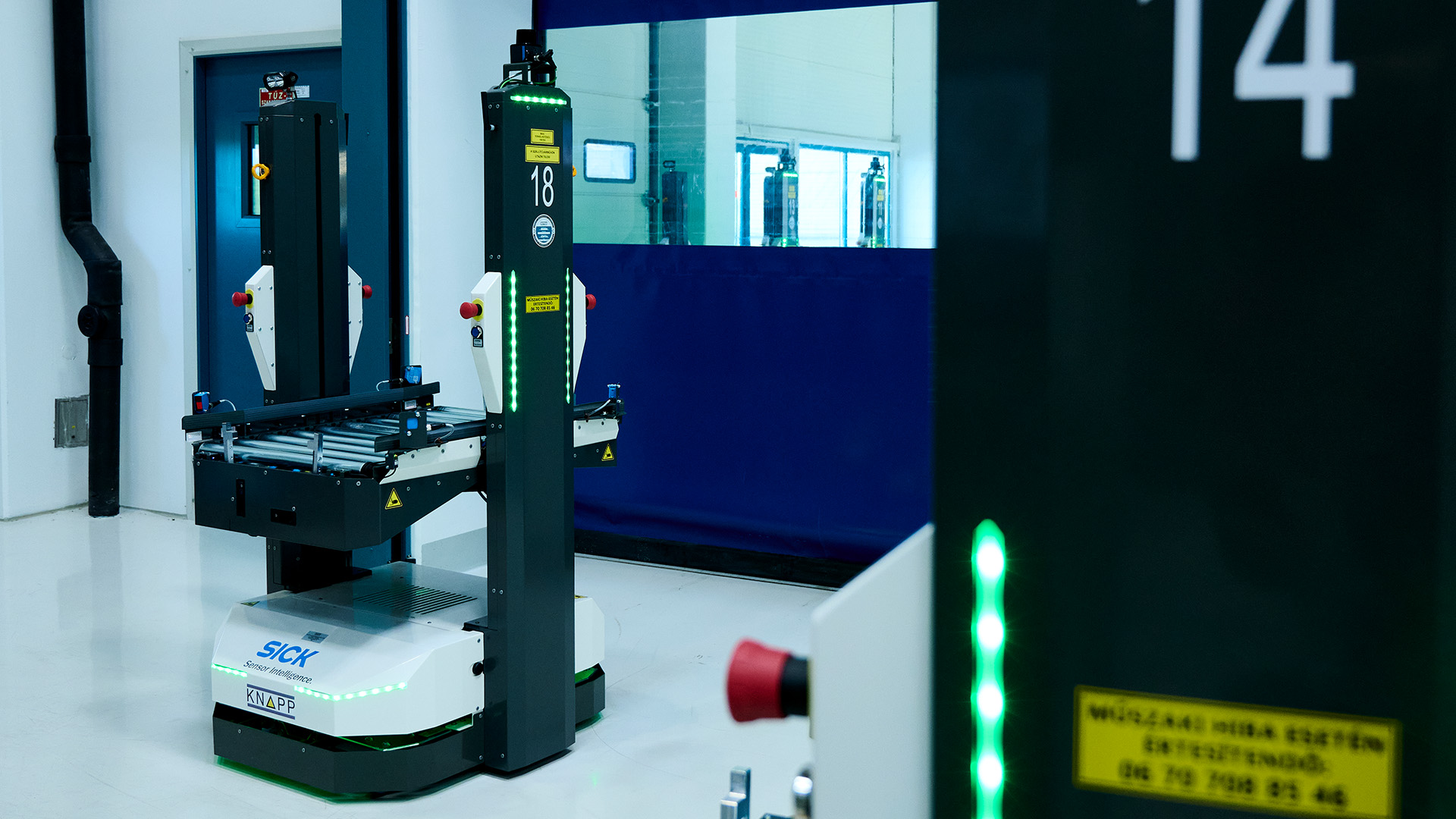
AMRs need an environment they can safely and reliably navigate in. Particularly in manufacturing environments, the robots often have to navigate mixed traffic with forklifts, tugger trains and employees on foot.
Questions to ask during analysis and planning:
Account for IT systems and interfaces from the start
AMRs don’t always need to be connected directly to the higher-level system. All that matters is that they can complete transport orders reliably, easily and as needed for each process. Depending on the use case, this might mean using simple signals such as optical sensors, entering orders in a user interface or creating interfaces to the ERP, WMS, MES or SAP system. The larger and more complex the AMR fleet, the more important it becomes to have powerful fleet management, standardized interfaces and scalable IT architecture.
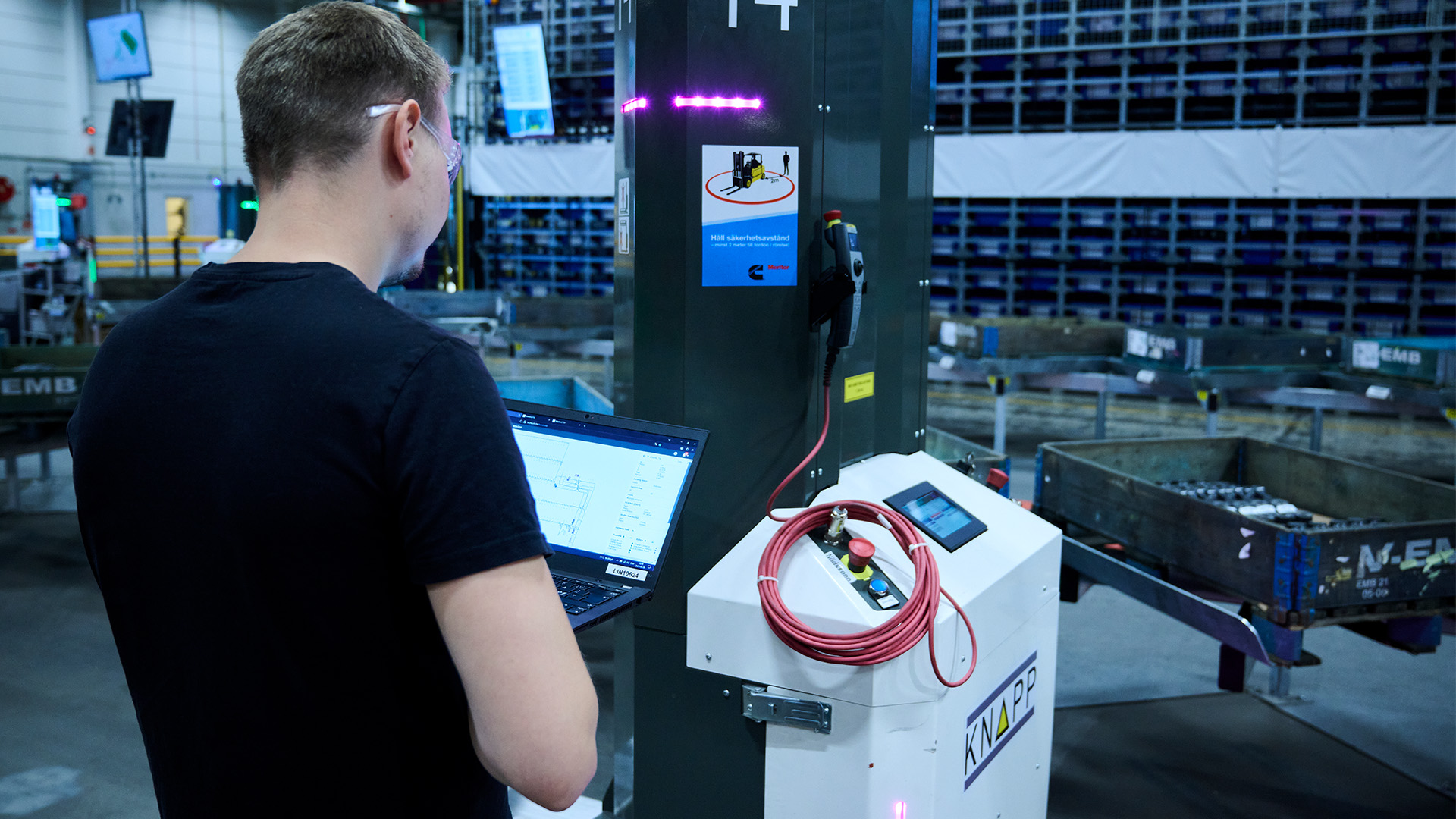
The Open Shuttle fleet at Cummins’ location in Sweden is controlled centrally by KiSoft FCS (Fleet Control System). It automatically prioritizes transport orders, coordinates vehicles and monitors goods flows.
Important questions:
Why fleet management is the key to success
Get employees on board as soon as possible
In addition to tech and processes, humans still play an important role when it comes to automation. Employees should be brought on board and trained right away so they get used to the new technology and so new processes can run as smoothly as possible. It’s especially important to explain how AMRs will make their work easier. The autonomous mobile robots help out by performing routine transport tasks, reducing the amount of walking and creating more time for value-generating tasks.
Because AMRs will change existing workflows, it’s important to designate clear responsibilities, provide relevant training and perform active change management to ensure the project’s long-term success.
Employees need to know:
While end-to-end IT integration can be helpful, it’s not critical for success in every project. What matters the most is that transport orders are reliably generated, prioritized and transmitted to the fleet management system.

Planning: 5 steps for a successful AMR rollout
| Step | Objective | What happens in this step? |
| 1. Define goals and range of use | Identify the right business cases | Define what challenges need to be solved – such as skilled labor shortages, manual material transports or insufficiencies in production supply logistics. Next, analyze which material flows are suitable for AMR use, such as production line supply, container transports, pallet transports or connecting production areas. |
| 2. Analyze processes and infrastructure | Lay the foundation for successful automation | Record existing material flows, transport quantities, paths and bottlenecks. Our AMR experts will then check your infrastructure, transfer stations, traffic paths and safety requirements together to determine the project’s technical feasibility. |
| 3. Integrate IT systems | Make a seamless material flow possible | Define how transport orders are created, prioritized and transmitted to the fleet management system. Any connected ERP, WMS, MES or SAP EWM systems should be able to communicate seamlessly with the fleet management system. Decisive factors here are clearly defined interfaces, reliable order control and stable networks. |
| 4. Implement a pilot project | Reduce risks and gain experience | Start with a clearly defined use case. The pilot project should show whether processes, interfaces, safety requirements and user acceptance are adequate in actual operation and if the defined targets are reached. A proof of concept (POC) or demo setup can help evaluate requirements early, minimize risks and lay the foundation for a successful rollout. |
| 5. Scale and optimize the rollout | Expand the solution for the long term | Now it’s time to build up your AMR solution step by step, adding more vehicles, stations or applications. Your team can receive training so they can make changes to the system themselves and start up additional vehicles independently. This way, rollouts that can be scaled efficiently while continuously optimizing traffic rules, order logic and fleet control. |
For AMR projects, the planning phase is critical for success. By viewing processes, infrastructure, IT and scalability as a whole from the start, we lay the basis for successful automation over the long term.
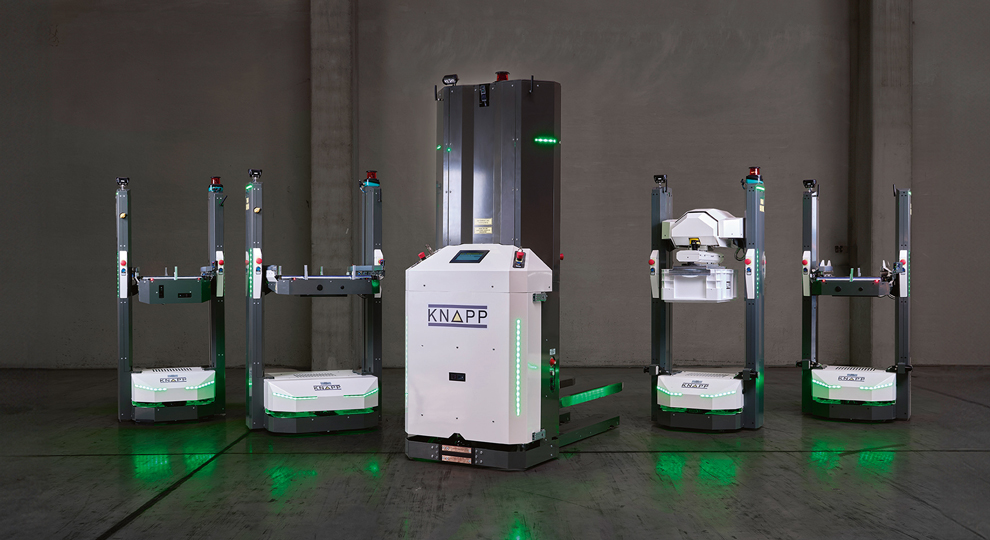
Thanks to the modular Open Shuttle portfolio, companies can expand their automation step by step – from individual vehicles to mixed fleets with different types of vehicles.
Why do AMR projects fail?
AMR projects often come to a standstill when important conditions aren’t sufficiently met. Typical causes include:
Inappropriate or unclearly defined use cases:
Insufficient infrastructure inspection:
Insufficient network coverage:
Not enough focus on scaling:
Not involving employees:
Incomplete accounting for costs:
Our white paper includes a detailed breakdown of all cost factors, investment components and ROI factors for an AMR solution – all in one place to simplify your project planning.
The takeaway
Autonomous mobile robots such as the Open Shuttle provide a flexible opportunity for automating material flows. Technology alone is not enough to ensure long-term success. Rather, companies need to have a suitable use case and plan ahead. By keeping future scalability in mind from the very beginning, companies lay the foundation for high-performance, expandable production logistics.
FAQ: Frequently asked questions on integrating autonomous mobile robots (AMRs)
Which processes are best for automating with AMRs?
AMRs are ideal for repeating, standardized material flows with clearly defined start and end points, such as container and pallet movements, kitting processes or supplying kanban racks. The more standardized a process is, the easier it is to automate.
When are AMRs not the optimal solution?
AMRs offer high flexibility; however, they’re not the most economical solution for every goods flow. Classic conveyor systems are advantageous for consistently high transport volumes. Material flows with frequently changing procedures, unclear transfer points or variable requirements should be analyzed and standardized (if needed) before being automated.
How long does it take to get started with autonomous mobile robots?
The duration of an AMR project depends on factors such as the use case, process complexity, integration expenses and fleet size. While individual pilot projects often take just a few months to implement, large rollouts with several vehicles and system connections generally require a longer planning and implementation phase.
How many AMRs do I need for a particular use case?
The number of AMRs required depends on factors such as transport volume, travel paths, order priorities and desired response times. A material flow analysis can help determine the ideal fleet size.
How safe are AMRs in mixed traffic?
AMRs are designed to be used in mixed traffic with employees and with other transport vehicles. The only prerequisites are clearly defined traffic rules and proper planning and integration into the existing processes
Can AMRs be connected to ERP, WMS or SAP systems?
Yes, they can. As long as the correct interfaces are installed, AMRs can receive transport orders directly from ERP, WMS, MES or SAP systems, providing a way to easily control and extensively automate material flows.
Can more AMRs be added later?
Yes. One of the biggest advantages of AMRs is their scalability. Companies can add additional vehicles, transfer stations or applications step by step as needed and adapt the solution to meet changed requirements. The right training package, such as the one available for the Open Shuttles, empowers your team to make changes to fleet management themselves and to start up additional vehicles independently.
When is implementing AMRs economically viable?
The profitability and ROI of AMRs depends on your current transport processes, the potential for automation and operating expenses. Especially for frequent, repeating transport tasks, AMRs can help you deploy resources more efficiently and stabilize processes. Find out more in our blog post: Autonomous Mobile Robots:Costs & ROI
Meet the authors of this blog post:
Julia Reiger
Sales Manager Open Shuttles
Julia is a sales manager for the Open Shuttles at KNAPP Industry Solutions GmbH. She supports customers in developing and implementing automation and intralogistics solutions with autonomous mobile robots. As the liaison between customer requirements and solution development, she accompanies projects from initial consultation to concept development and successful implementation.

Stefanie Terler
Marketing Manager Industry Solutions
Which trends and challenges are influencing the manufacturing industry? And how can intelligent solutions help companies become more efficient and geared to the future? These are the questions Stefanie focuses on for our blog. She researches, analyzes and writes about innovative technologies, autonomous mobile robots and modern intralogistics solutions that optimize manufacturing and logistics processes for the long term.